Coconut Oil Body Scrub: 5 Sugar Scrub Recipes for Silky Skin
Ready to transform your skincare routine with a simple DIY coconut oil sugar scrub? This versatile, natural exfoliant combines the moisturizing properties of coconut oil with the gentle buffing action of sugar to help remove dead skin cells and leave your skin feeling smooth and nourished.
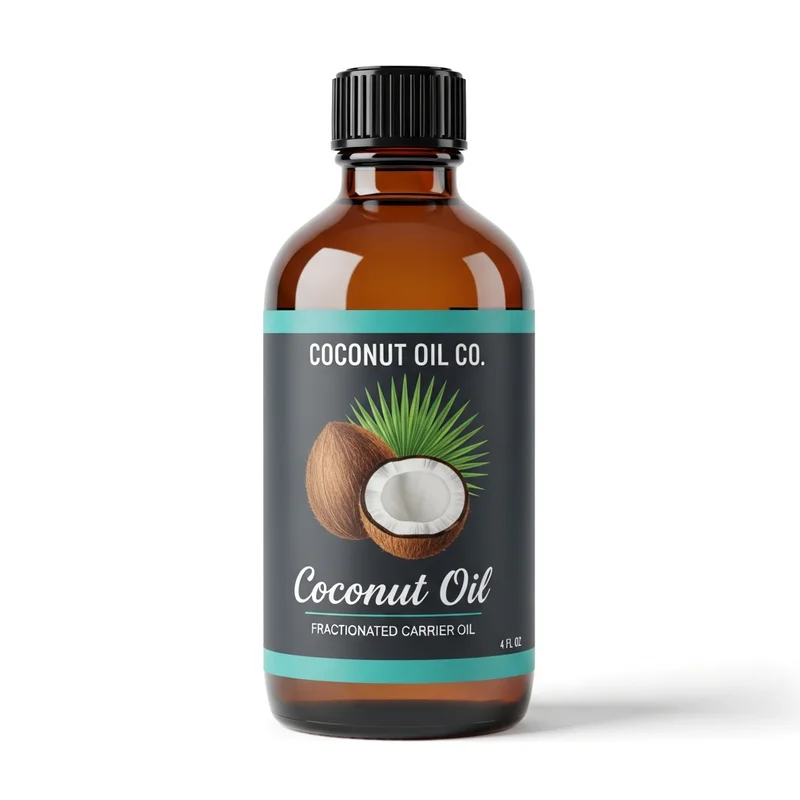 Fractionated Coconut Oil
Our own Fractionated Coconut Oil, in sizes from 0.5 oz to bulk. From $8.99.
Shop Now →
Fractionated Coconut Oil
Our own Fractionated Coconut Oil, in sizes from 0.5 oz to bulk. From $8.99.
Shop Now →
Whether you're new to DIY beauty or a seasoned scrub-maker, these five coconut oil sugar scrub variations offer something for everyone. From energizing citrus blends to calming lavender infusions, you'll discover how easy it is to create a luxurious homemade body scrub with coconut oil that rivals expensive spa treatments.
Why Choose Coconut Oil for Your DIY Sugar Scrub?
Coconut oil serves as an excellent base for sugar scrubs due to its unique properties. At room temperature, it maintains a semi-solid consistency that's perfect for combining with granular exfoliants like sugar. When applied to warm skin, it melts beautifully, creating a smooth, moisturizing layer.
Unlike some oils that can feel heavy or greasy, coconut oil absorbs relatively well into the skin. Many people report that it leaves their skin feeling soft without an overly oily residue. For more insights on coconut oil's potential benefits for skin, explore our comprehensive guide.
Basic Coconut Oil Sugar Scrub Recipe
Difficulty Level: Beginner
Prep Time: 5 minutes
Shelf Life: 3-6 months when stored properly
Base Ingredients
- 1 cup granulated white sugar (or brown sugar for gentler exfoliation)
- 1/2 cup virgin coconut oil, softened
- 1 teaspoon vanilla extract (optional)
Step-by-Step Instructions
- If your coconut oil is solid, gently warm it until softened but not completely melted. You want a creamy, butter-like consistency.
- In a medium mixing bowl, combine the sugar and softened coconut oil.
- Mix thoroughly with a fork or wooden spoon until well combined. The mixture should hold together when pressed but still feel granular.
- Add vanilla extract if desired and mix again.
- Transfer to a clean, airtight container for storage.
5 Delicious Coconut Oil Sugar Scrub Variations
1. Energizing Citrus Coconut Oil Exfoliant
Perfect for morning routines, this zesty variation may help you feel refreshed and energized.
Additional Ingredients:
- Zest of 1 large orange
- Zest of 1 lemon
- 10-15 drops sweet orange essential oil (optional)
Follow the basic recipe instructions, then fold in the citrus zest and essential oil during the final mixing step. The natural oils from the zest provide a bright, uplifting scent.
2. Calming Lavender Dream Scrub
This soothing variation is traditionally associated with relaxation and may help create a calming evening ritual.
Additional Ingredients:
- 2 tablespoons dried lavender buds (food-grade)
- 8-10 drops lavender essential oil
Gently crush the lavender buds between your fingers to release their natural oils before mixing into the base recipe. Add essential oil last to preserve its potency.
3. Tropical Paradise Coconut Lime
Transport yourself to a tropical getaway with this refreshing combination.
Additional Ingredients:
- Zest of 2 limes
- 2 tablespoons unsweetened coconut flakes
- 10 drops lime essential oil (optional)
The coconut flakes add an extra tropical element while providing additional gentle exfoliation.
4. Warming Vanilla Cinnamon Spice
Perfect for cooler months, this cozy variation offers a warming, comforting scent experience.
Additional Ingredients:
- 1 teaspoon ground cinnamon
- 1 teaspoon vanilla extract (increase from base recipe)
- 1/2 teaspoon ground ginger (optional)
Important Safety Note: Cinnamon can be sensitizing to some skin types. Always perform a patch test before full application.
5. Coffee Shop Mocha Scrub
Coffee lovers will adore this caffeinated variation that combines the beloved scents of coffee and chocolate.
Additional Ingredients:
- 2 tablespoons finely ground coffee (used grounds work well)
- 1 tablespoon unsweetened cocoa powder
- 1 teaspoon vanilla extract
The coffee grounds provide additional exfoliation, while the cocoa powder adds a rich, indulgent aroma. Some people report that coffee grounds may help their skin appear more awake and refreshed.
Essential Safety Guidelines and Warnings
Patch Testing: Before using any new coconut oil sugar scrub, perform a patch test on a small area of skin and wait 24 hours to check for adverse reactions. This is especially important when using essential oils or spices.
Proper Dilution: Essential oils should never exceed 15-20 drops per cup of base mixture (approximately 1-1.5% dilution). Higher concentrations may cause skin irritation.
Contraindications:
- Avoid use on broken, irritated, or sunburned skin
- Not recommended for facial use - the sugar granules may be too abrasive for delicate facial skin
- Those with coconut allergies should avoid these recipes
- Pregnant or nursing individuals should consult healthcare providers before using essential oil variations
Application Safety: Sugar scrubs can make bathtub and shower surfaces slippery. Use caution and consider placing a non-slip mat in your shower or tub.
Storage Instructions and Shelf Life
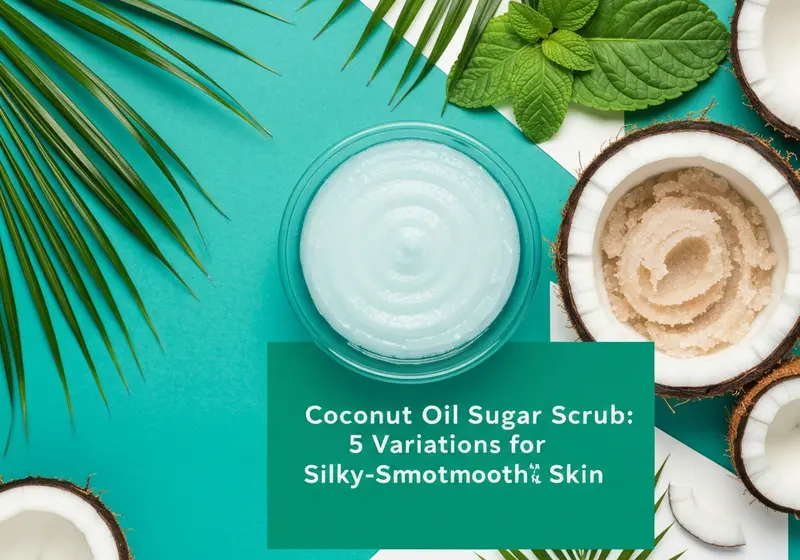
Proper storage is crucial for maintaining the quality and safety of your homemade body scrub with coconut oil:
- Container: Use clean, airtight glass jars or food-grade plastic containers
- Location: Store in a cool, dry place away from direct sunlight
- Temperature: Coconut oil naturally solidifies below 76°F and liquefies above this temperature - both states are normal
- Hygiene: Always use clean, dry hands or a clean spoon when removing scrub from the container
- Shelf Life: Basic scrubs last 3-6 months; variations with fresh ingredients (like citrus zest) should be used within 1-2 months
Signs it's time to discard your scrub include changes in smell, appearance of mold, or separation that doesn't remix with stirring.
Usage Tips and Application Method
To get the most from your coconut oil sugar scrub:
- Timing: Apply to damp (not soaking wet) skin for best results
- Technique: Use gentle, circular motions, focusing on rough areas like elbows, knees, and heels
- Duration: Limit scrubbing to 1-2 minutes to avoid over-exfoliation
- Frequency: Use 1-2 times per week maximum - over-exfoliation can irritate skin
- Rinse: Rinse thoroughly with warm water and gently pat skin dry
Many users report that their skin feels softer and appears more radiant after regular use, though individual results may vary.
Customization and Substitutions
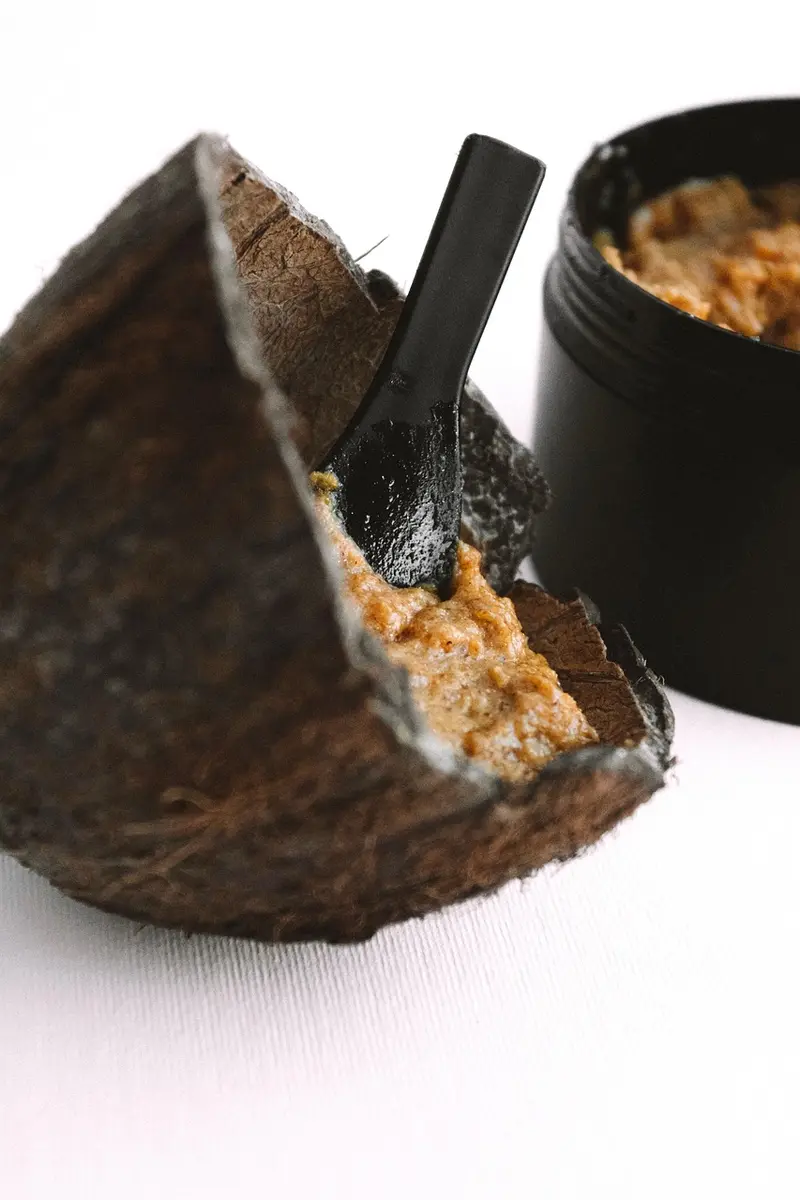
Feel free to experiment with these coconut oil exfoliant recipes:
Sugar Alternatives:
- Brown sugar for gentler exfoliation
- Raw sugar for more intense buffing
- Fine sea salt for a different mineral profile (use sparingly as it's more abrasive)
Oil Modifications: While coconut oil is our star ingredient, you can substitute up to 25% with other oils like jojoba or sweet almond oil for different textures and properties.
For more coconut oil beauty inspiration, check out our guides on DIY coconut oil body butter and discover additional coconut oil beauty applications to expand your natural skincare routine.
Coconut Oil Body Scrub FAQ
How do I make a body scrub coconut oil base?
Start with 1/2 cup of softened virgin coconut oil as your base. Its semi-solid texture at room temperature binds granular exfoliants together, so simply mix in your sugar until the blend holds its shape when pressed but still feels grainy.
What ratio works best for a body scrub coconut oil sugar mix?
A 2:1 ratio of sugar to coconut oil is the sweet spot: 1 cup granulated sugar to 1/2 cup coconut oil. If the mix feels too oily, stir in extra sugar a tablespoon at a time; if it feels too dry, add a little more softened oil.
Is a body scrub with coconut oil good for dry skin?
Many people find a body scrub with coconut oil leaves dry, rough areas like elbows, knees, and heels feeling softer and more moisturized, since the oil coats the skin as the sugar buffs away dead surface cells. Always patch test first and limit use to once or twice a week.
What is the easiest body scrub recipe with coconut oil?
The basic recipe above is the easiest body scrub recipe with coconut oil: combine 1 cup granulated sugar, 1/2 cup softened virgin coconut oil, and an optional teaspoon of vanilla extract, then store in an airtight jar. It takes about five minutes and keeps for 3 to 6 months.
How often should I exfoliate with a body scrub using coconut oil?
Use a body scrub using coconut oil no more than one to two times per week. Apply it to damp skin in gentle circular motions for one to two minutes, then rinse with warm water; scrubbing more often can leave skin feeling irritated.
Can I make a brown sugar and coconut oil scrub instead?
Yes. A brown sugar and coconut oil scrub uses the same 2:1 ratio but feels noticeably gentler, because brown sugar crystals are softer and finer than white granulated sugar. It is a good choice for more sensitive areas of the body, and the molasses notes add a warm, cozy scent.
Final Thoughts
Creating your own coconut oil sugar scrub is an affordable, customizable way to add luxury to your skincare routine. With these five variations, you can experiment with different scents and textures to find your perfect match. Remember to always prioritize safety through patch testing and proper storage, and consult with a healthcare provider if you have any concerns about new skincare products.
Start with the basic recipe and gradually explore the variations as you become more comfortable with the process. Your skin will thank you for the natural, gentle care these homemade scrubs provide!
Fractionated Coconut Oil
Fractionated Coconut Oil from our own shop, in sizes from 0.5 oz to bulk.
From $8.99
Shop Now →